
How Can Roofers Rank in Google AI Overviews?
Oct 27, 2026


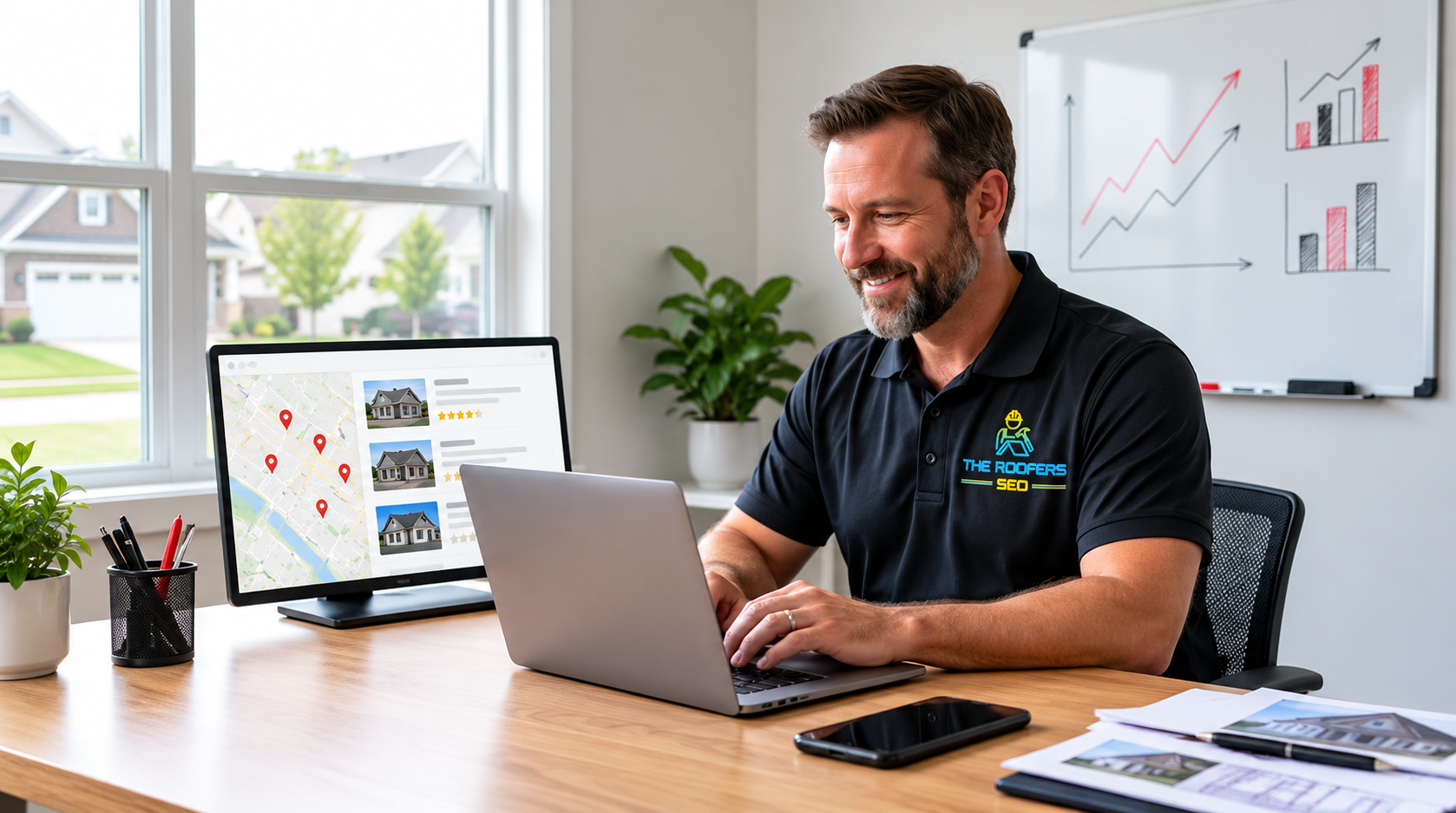
Getting more website traffic does not always mean getting more roofing jobs. Your website may attract visitors who are researching roof problems but are not ready to contact a contractor. Others may visit your service pages but leave because they cannot find the information they need to make a decision.
AI-powered search is changing how homeowners research roofing services. People increasingly ask detailed questions, compare solutions, and look for trustworthy local providers before contacting a company. For roofing businesses, this creates an opportunity to connect useful information with the services that generate revenue.
AI SEO is not simply adding artificial intelligence terminology to your website. It involves improving your content, search visibility, business information, and customer journey so your company can be discovered and evaluated across different search experiences.
A well-planned Roofing SEO Services strategy can help you attract relevant visitors and turn more of them into calls, quote requests, and qualified roofing leads.
Not every roofing search represents the same level of purchase intent. Someone searching for “what causes roof stains” may be researching a problem, while someone searching for “roof replacement contractor near me” may be ready to request an estimate.
Your content strategy should address both groups without treating them as identical.
Consider organising keywords and content around three stages:
Create content that guides readers naturally from understanding a problem to evaluating their options and contacting your company. Include relevant service links where they genuinely help readers take the next step.
This approach can attract visitors who are more likely to need a roofing service, rather than chasing traffic from broad terms with little commercial relevance.
A single page that lists every roofing service may not answer a customer’s specific concerns. A homeowner looking for a roof replacement needs different information from a property manager seeking commercial roof maintenance.
Create dedicated pages for the services you actually provide. Each page should explain the service, common warning signs, the process, relevant materials, and what customers should consider before hiring a contractor.
For example, a roof repair page could cover leak investigation, damaged flashing, missing shingles, and the importance of assessing the underlying cause. A replacement page could explain roof condition, material choices, project planning, and the factors that influence an estimate.
Make the next action clear. Offer a prominent way to call, request an inspection, or submit project details. Avoid burying contact options beneath long blocks of generic text.
AI-assisted research can help your team organise customer questions, identify missing subtopics, and create a first draft of a content outline. However, publishing large volumes of similar, unverified articles can weaken quality and fail to distinguish your business.
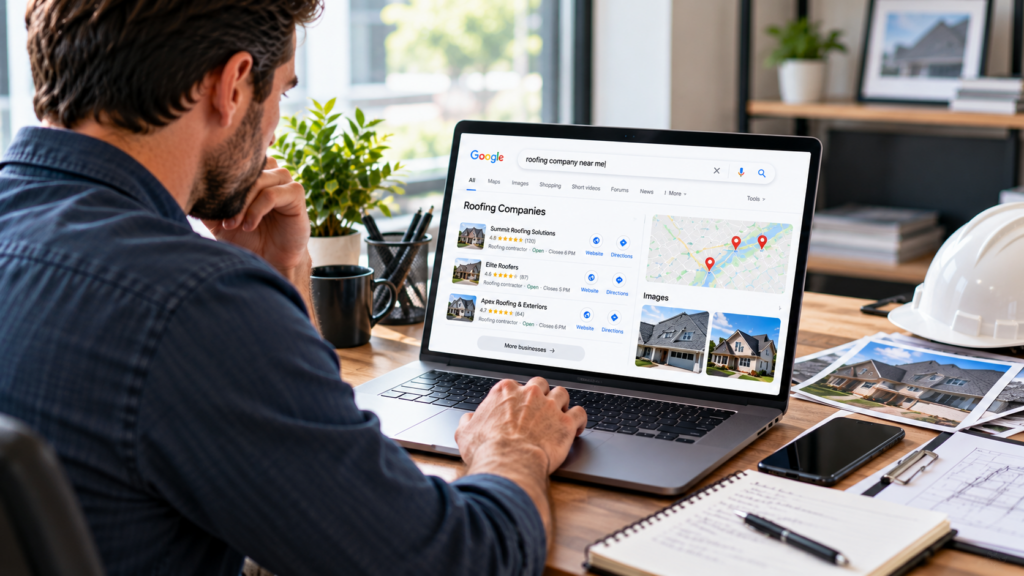
Use research to find questions your current website does not answer. Then add real expertise, accurate details, local relevance, and practical recommendations.
For instance, instead of publishing five similar articles about roof leaks, develop a useful resource that explains how leaks can originate around flashing, vents, chimneys, and roof valleys. Link that resource to the relevant repair page.
Review technical claims before publishing, especially advice involving safety, structural damage, insurance, or building requirements. AI can assist the process, but human review and genuine industry knowledge remain essential.
Roofing companies typically serve defined geographic areas. Your online information should make those service areas clear without creating misleading location signals.
Maintain consistent business details across your website, Google Business Profile, and relevant directories. Ensure that your business name, phone number, address where applicable, and operating information are accurate.
Create location pages only where you can provide useful, specific information. A strong page should explain which services are available in that area and include relevant project examples, local considerations, or customer questions.
Avoid producing dozens of city pages that differ only by the place name. Thin, repetitive pages rarely give homeowners a compelling reason to trust your business.
Local relevance is strongest when your business information, service pages, customer reviews, and real-world presence support the same story.
Homeowners are often making a significant financial decision when hiring a roofing contractor. They want to know whether a company has relevant experience, communicates clearly, and can handle their particular project.
Help visitors evaluate your business by showing:
Use specific, verifiable information instead of unsupported claims. If you publish a case study, explain the problem, the work completed, and the outcome without exaggerating results.
These trust signals help customers make better decisions and give search systems clearer information about your business.
A useful blog article should do more than attract a visitor. It should help that visitor find the next relevant resource.
Suppose someone reads about signs of storm damage. The article can link naturally to a storm damage service page, explain when a professional inspection may be appropriate, and provide a clear way to request assistance.
Use descriptive anchor text that explains what the linked page offers. Avoid vague phrases such as “click here” when a more specific description would help the reader.
For further ideas on converting mobile visitors into potential customers, read how mobile SEO drives exclusive roofing leads.
Internal linking should support the reader’s journey, not force a sales pitch into every paragraph.
A page ranking well is useful, but its commercial value depends on whether it attracts the right visitors and encourages meaningful enquiries.
Track the actions that matter to your business, including:
Where possible, distinguish general enquiries from qualified opportunities. This helps you identify whether your content is attracting homeowners who need your services or people who are simply researching.
Review performance regularly and improve pages that receive relevant traffic but produce few enquiries. The issue may be unclear messaging, weak calls to action, missing trust information, or a complicated contact process.
AI SEO combines established SEO practices with content and technical improvements that help search systems understand a roofing business. It focuses on relevance, useful answers, accurate business information, and a strong customer experience.
It can support lead generation by improving discovery and helping visitors find relevant service information. Actual lead results depend on competition, website quality, service demand, reputation, and conversion experience.
No. AI can support research and drafting, but content should be reviewed for accuracy, originality, local relevance, and real roofing expertise. Publishing repetitive, unhelpful articles is not a sound strategy.
Dedicated service pages, location pages with genuine value, project examples, and helpful articles connected to relevant services can all contribute to lead generation.
Track organic traffic, relevant search visibility, qualified calls, form submissions, and estimate requests. Review AI search appearances where possible, but focus on business outcomes rather than citations alone.
Final CTA
Your roofing website should help homeowners move from a question to a confident decision. A connected strategy can make your services easier to discover and your next step easier to take.
Discuss Your Roofing SEO Goals